
TPO vs. EPDM vs. PVC: Which Commercial Roofing Solutions in Billings, MT Are Right for Your Building?
Choosing the right membrane for a flat or low-slope commercial building is one of the most consequential decisions a property owner can make. This guide covers what TPO, EPDM, and PVC each offer for buildings relying on commercial roofing solutions in Billings, MT. At roughly 3,100 feet of elevation in Yellowstone County, Billings endures wide temperature swings, heavy spring hail, intense summer UV exposure, and hard freeze-thaw cycles. Understanding how each membrane handles those conditions can protect your investment for decades.
Quick Comparison at a Glance
TPO typically lasts 20 to 30 years and offers high UV reflectivity, making it a strong fit for warehouses and retail centers. EPDM tends to last 25 to 35 years with exceptional freeze-thaw resilience, suiting industrial and agricultural facilities well. PVC also runs 20 to 30 years and stands out for its chemical resistance, making it the preferred choice for restaurants and food processing plants.

How Each Material Performs in Billings Weather
TPO (Thermoplastic Polyolefin)
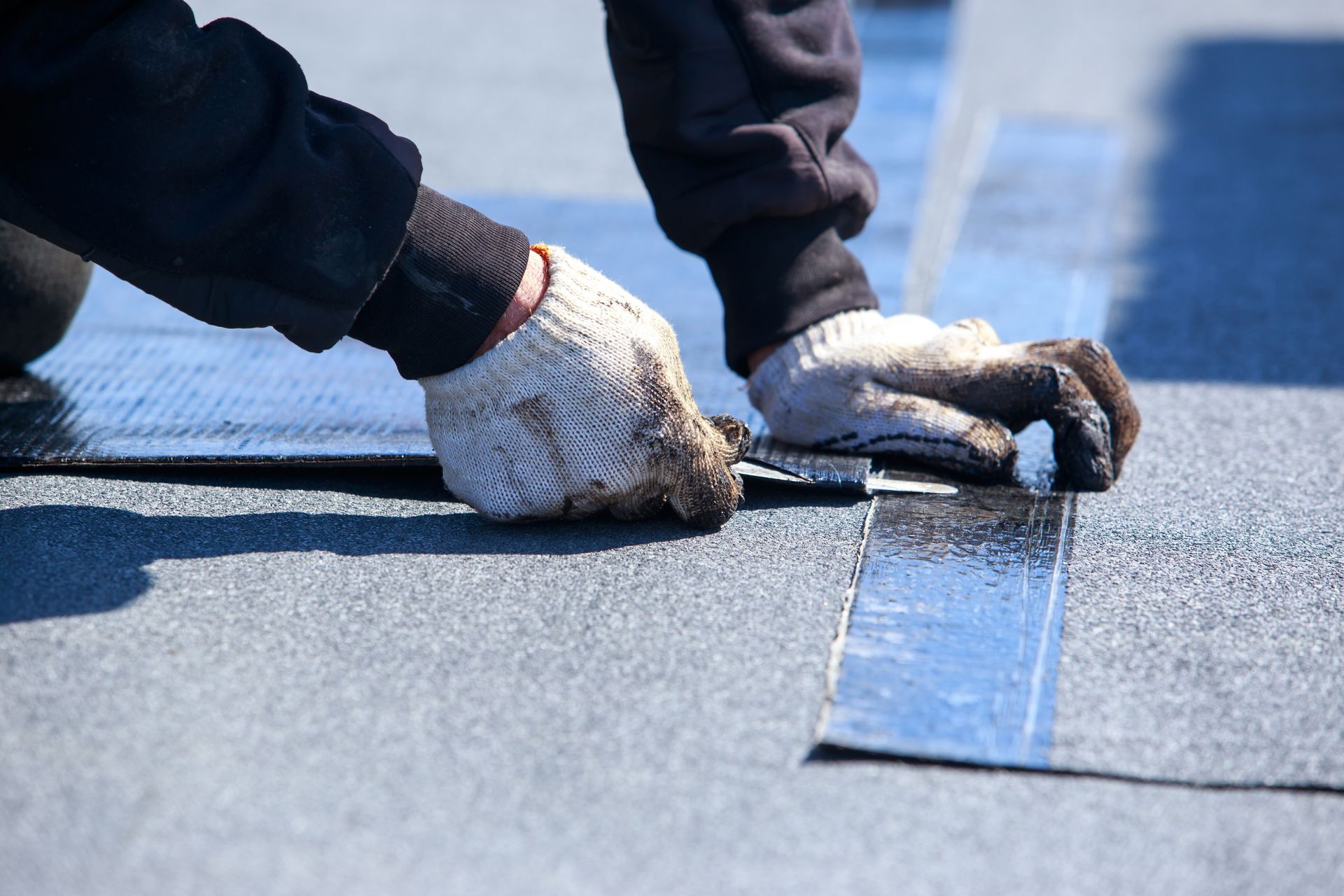
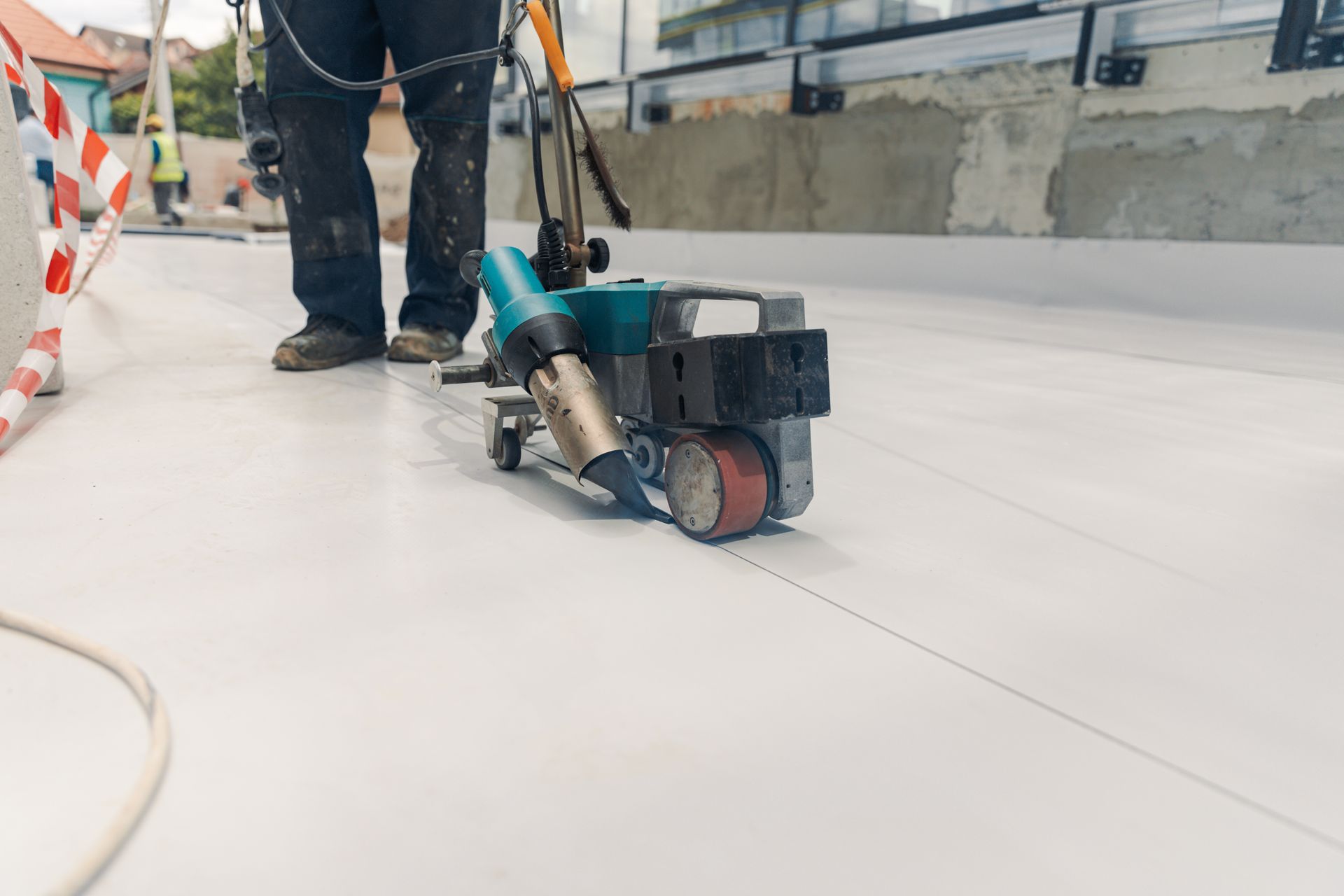
TPO is a white, heat-welded membrane that reflects UV rays effectively, which may reduce cooling loads during Billings' hot summers. Welded seams also resist puncture from the region's frequent hail. One tradeoff: TPO can become brittle in subzero temperatures, so installation thickness matters in Montana winters.
EPDM (Ethylene Propylene Diene Monomer)
EPDM is a rubber membrane that flexes through repeated freeze-thaw cycles without cracking, making it a strong fit for Billings' climate. Large sheets mean fewer seams and fewer potential leak points over time. Because EPDM absorbs rather than reflects heat, buildings with high cooling costs may want to consider a reflective coating applied over the surface.
PVC (Polyvinyl Chloride)
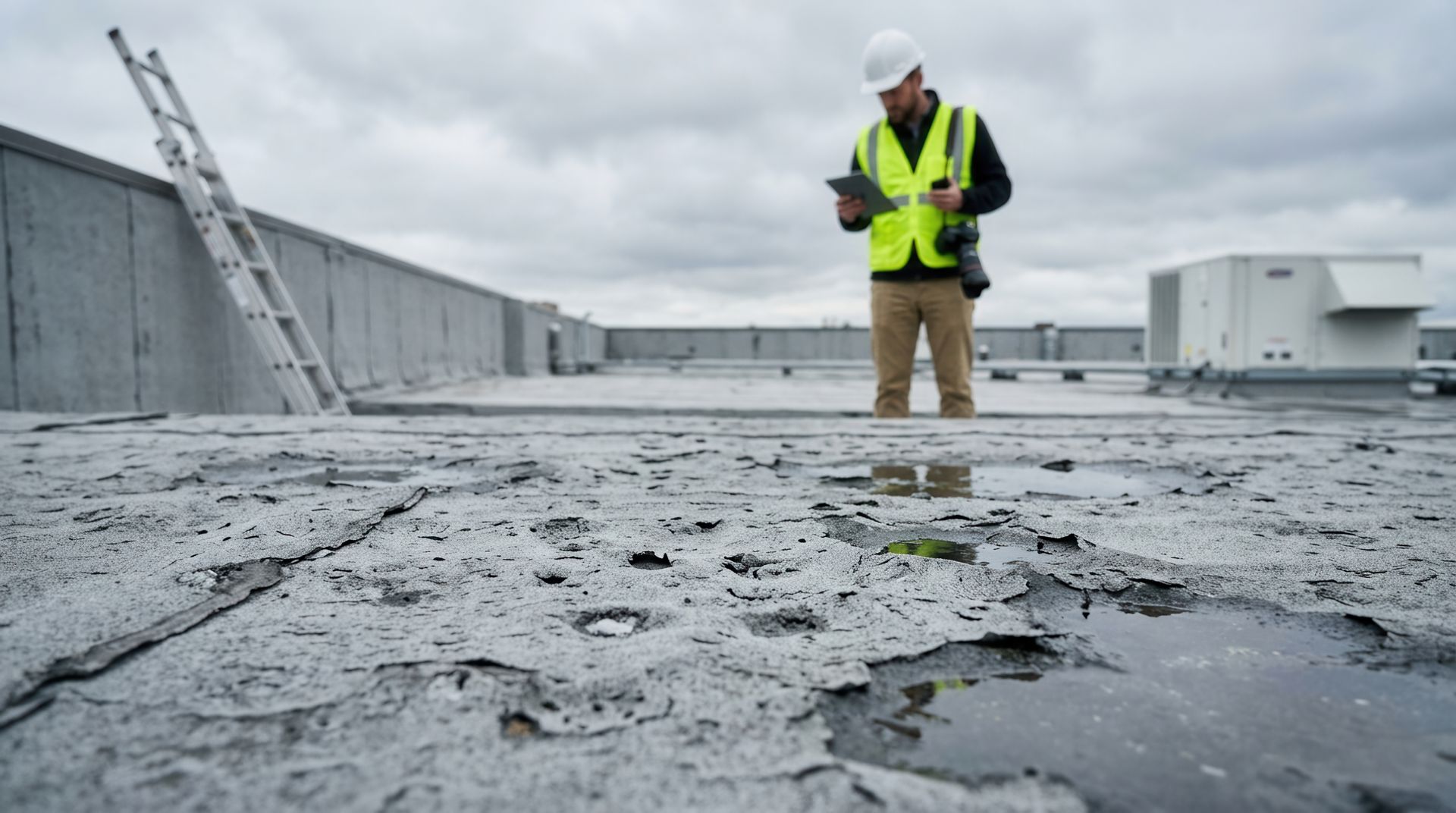
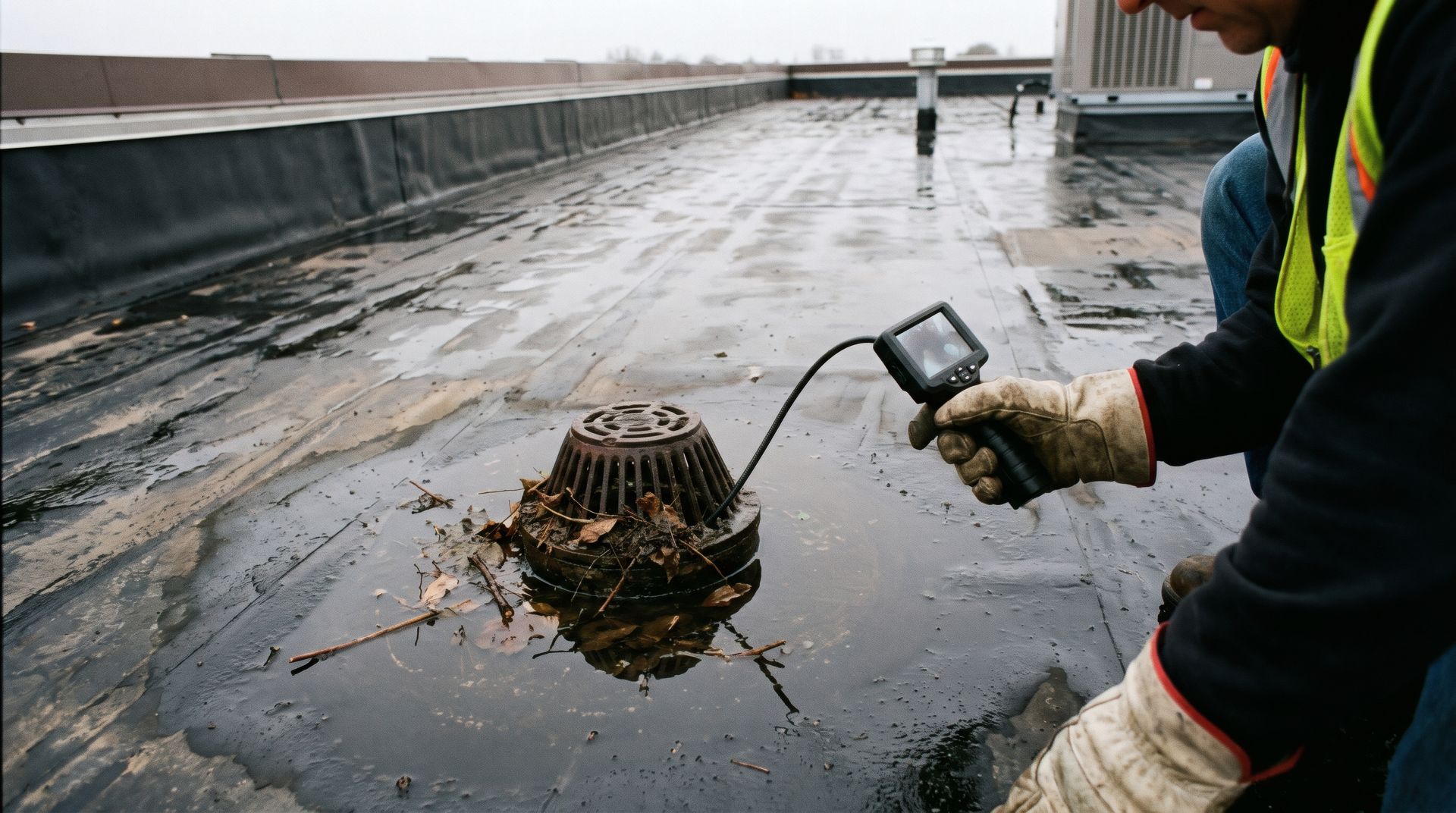
PVC is a reinforced, heat-welded membrane known for resistance to grease, oils, and harsh chemicals. Billings hosts food-service businesses, agricultural operations, and industrial properties along the Yellowstone River corridor where chemical runoff can degrade standard membranes faster. PVC's tight welded seams also provide strong waterproofing on flat roofs prone to ponding water.
What Is the Best Commercial Roofing Membrane for Montana Winters?
EPDM typically leads in freeze-thaw resilience, but TPO and PVC with proper insulation also perform reliably in Montana winters when installed correctly.
How Long Do Commercial Flat Roofing Systems Typically Last?
With regular maintenance, all three systems can last 20 to 35 years in the Billings, MT climate.
Choosing the Right System for Your Billings Building
Your best membrane depends on your building's use, roof slope, and utility goals. A warehouse or retail center near King Avenue may benefit most from TPO's reflectivity. An agricultural or industrial facility in the Heights may be better suited to EPDM's durability. A food-service or processing operation could make PVC the clear choice. The right
commercial roofing solutions in Billings, MT, always account for these building-specific factors before a membrane is specified.
Get Expert Guidance on Commercial Roofing Solutions in Billings, MT
A licensed commercial roofing professional can assess your building's structure, drainage, and insulation before recommending the best system.
Five Star Roofing serves commercial property owners in Billings, MT and across the region with over 15 years of experience and up to 20-year warranties on select systems. Call
(406) 670-7199 or
contact us online to request a free estimate today.